-
Attending

Similar Events


Info
- When Sep 2, 2026, 8:25 AM - Sep 3, 2026, 8:25 AM
- Where NEW YORK
- Category Bear
- Tags #Grow a Garden 2 Pets , #u4gm , #Grow A Garden 2 , #Grow a Garden 2 Pets reddit
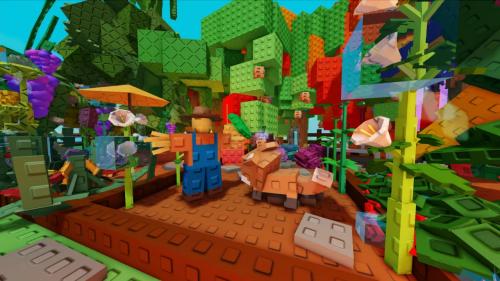
A well-planned garden begins with more than seeds and watering cans. Players comparing Grow a Garden 2 Pets will quickly notice that each pet can influence the rhythm of a farm, from routine collection to longer-term resource planning.
The newest player discussions focus less on collecting every available creature and more on choosing pets that support a preferred style. A compact, dependable team often creates smoother progress than a large collection with no clear purpose.
Pets Turn Daily Work Into a Clear Routine
Every garden has recurring tasks: gathering crops, preparing new plots, and keeping an eye on valuable harvests. Pets help make those familiar jobs feel more organized by adding useful support at the moments when players need it most.
The strongest approach is to match a pet's role with the activity that occupies most of a session. A player who spends time expanding fields may value steady resource support, while someone focused on harvest timing may prefer a pet that improves collection efficiency.
- Choose one pet for your main daily activity.
- Keep a second pet ready for special harvesting sessions.
- Review your team after unlocking a new garden area.
Building a Team Around Your Garden Goals
Pet selection becomes more interesting when players think beyond rarity. A lower-tier pet with a dependable effect can remain useful for a long time if it fits the garden's current needs. Consistency is especially valuable during early growth, when every small resource gain matters.
The table below shows a simple way to compare pet roles before committing to a new setup. It is not about finding one perfect choice; it is about identifying which role supports the next stage of progress.
Pet Role
Best For
Planning Tip
Harvest Support
Frequent crop collection
Use during active farming sessions
Resource Support
Garden expansion
Keep equipped while preparing new plots
Value Support
High-quality crops
Save for important harvest cycles
A flexible roster also makes seasonal changes easier to manage. When a new crop type or event shifts the value of certain tasks, switching pets can be more effective than rebuilding an entire garden strategy.
Small Decisions Create Long-Term Value
Experienced players often recommend setting a practical target before seeking another pet. That target might be unlocking a field, improving a crop cycle, or preparing for a limited-time activity. Clear goals prevent resources from being spread too thin across several unfinished plans.
It also helps to leave room for experimentation. A pet that seems ordinary at first may become valuable after a player reaches a new area or changes the focus of a farm. Testing combinations during normal play reveals more than judging them only by first impressions.
A More Personal Way to Grow
Pets give each garden a sense of identity. Two players can own similar crops and still develop very different routines because their teams encourage different priorities. That variety keeps progress engaging even after the basics become familiar.
For anyone ready to refine a farm's daily rhythm, it can be worthwhile to buy Grow a Garden 2 Pets as part of a focused plan, then build a team that makes every harvest feel more rewarding.
